Alfred Dunhill Profiles: William Bracewell
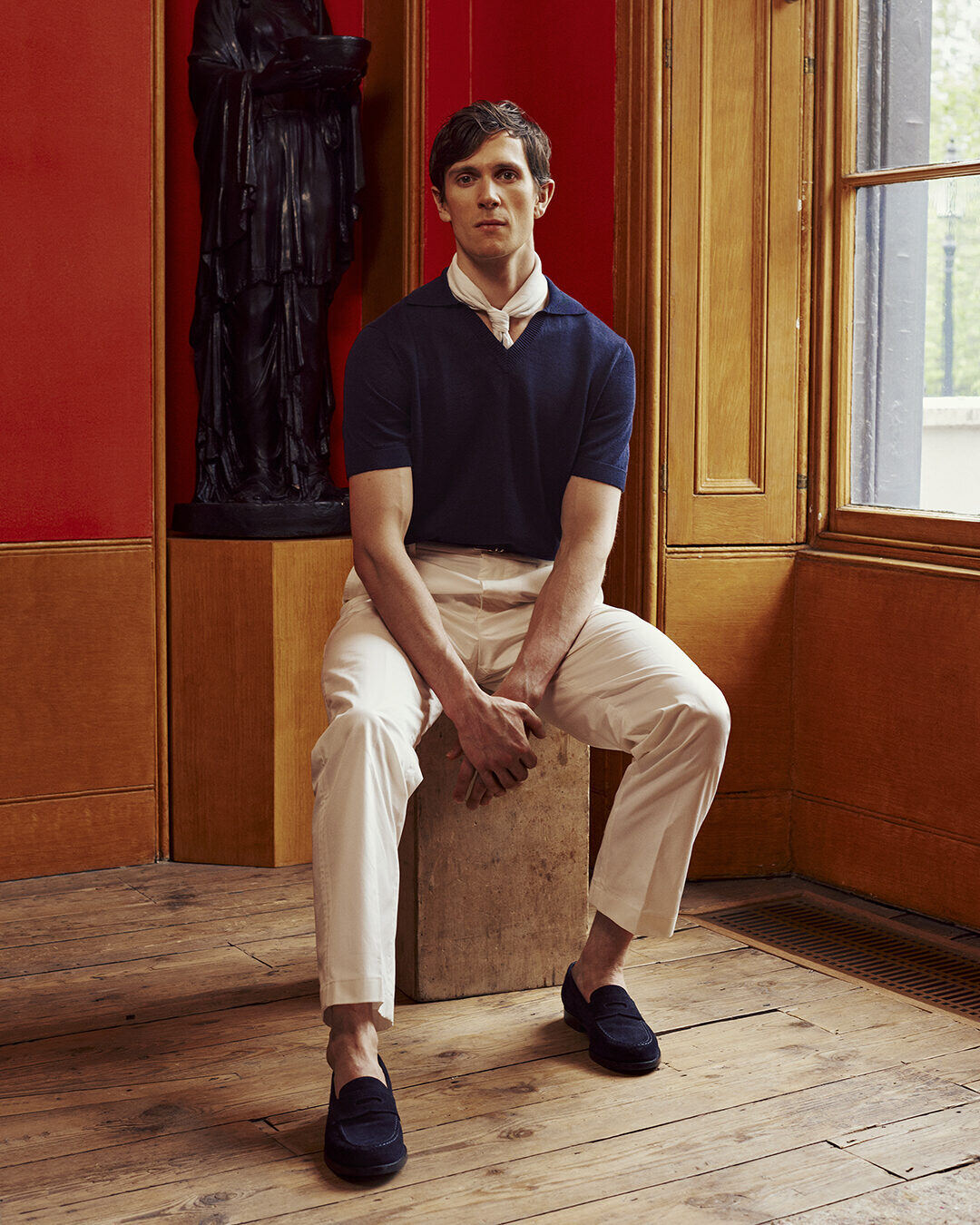
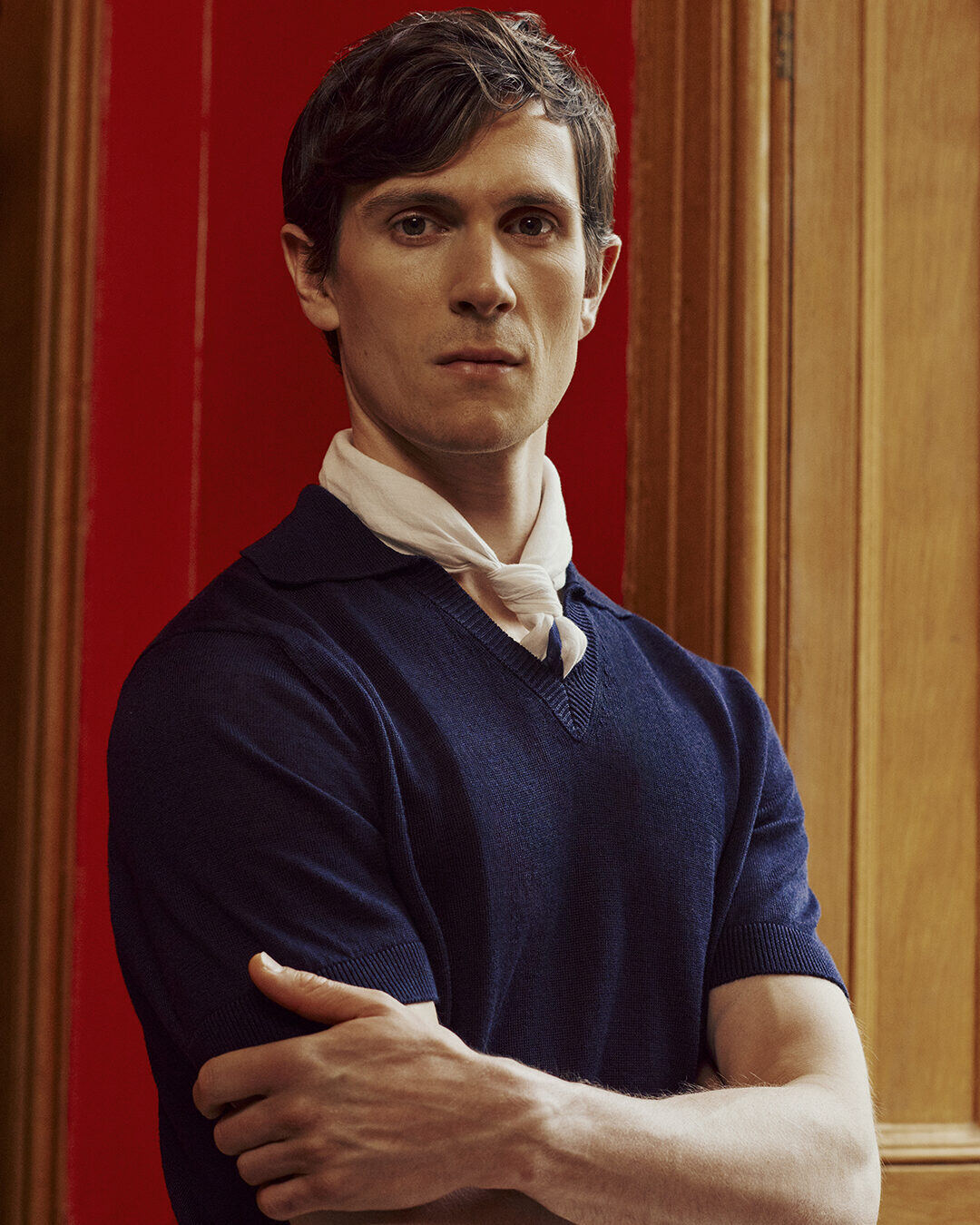
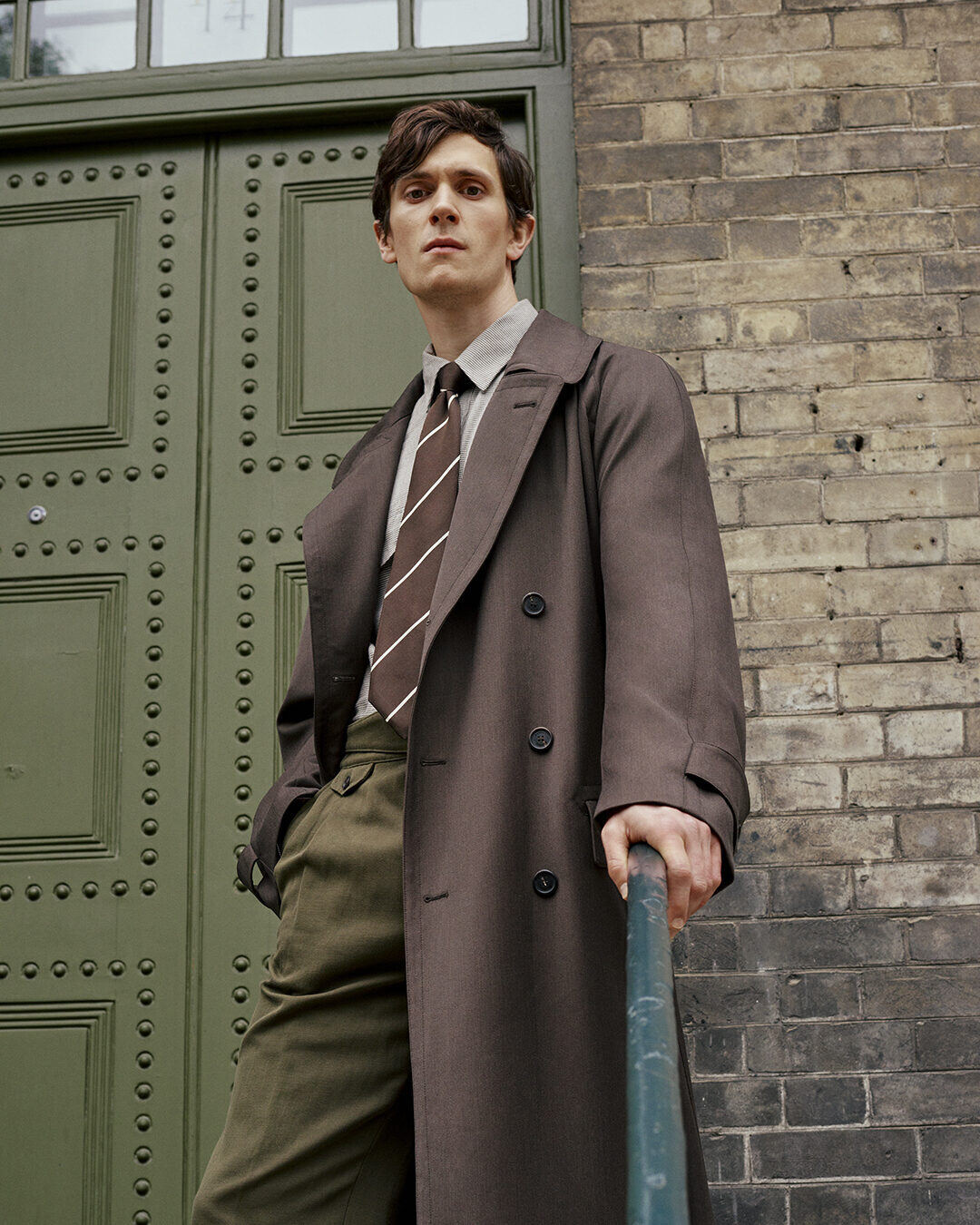
William Bracewell is a Welsh dancer and Principal of The Royal Ballet. A self-proclaimed “hectic, energetic little boy”, Swansea-born William Bracewell was initially sent to ballet classes by his mother aged nine to tire him out. However, the combination of artistic expression and physical endurance that ballet offered him proved to be a compelling one.
After spending seven years at the Birmingham Royal Ballet, Bracewell joined The Royal Ballet in London in 2017, where he has portrayed roles both classical and contemporary: from the Prince in The Nutcracker and Romeo in Sir Kenneth MacMillan’s Romeo and Juliet, to Dante, the central figure in The Dante Project, choreographed by the legendary Sir Wayne McGregor.
For the 2022/2023 season, Bracewell was promoted from a soloist to a principal dancer – the first Welshman to hold such a role at the world-famous company. Now recognised as one of Britain’s premiere ballet talents, as well as an athlete and actor, it appears his energy reserves show no signs of running out just yet.
What Is It About Ballet That Ignites Your Passion?
I can’t pinpoint one singular factor that made me fall in love with ballet, but the sense of music, the sense of play, and the element of the discipline played a part.
What Motivates You to Keep Evolving Your Craft?
Dance straddles the worlds of art and sport. I think I’ve always had this inner competitive nature with myself – I’m not really competing with anybody else. I think it’s been the consistency of work that’s got me to this place in my career, still having the discipline to train when you might not feel like it.
How Does Living in London Influence and Inspire You?
I think every artist can sometimes feel a bit uninspired, but living in a place like London, there are sources of inspiration everywhere: there’s always another piece of dance or another company passing through the city to see. Recently, I’ve been invited to a few fashion shows.
I find it fascinating to see the craft that goes into other art forms – where other creatives are getting their inspiration from historically and how they’re trying to make that relevant for now. That’s something I really try to do in my own art: take these historic pieces of dance and make them relevant for a modern audience.
What Is Your Creative Process When Preparing for Your Roles?
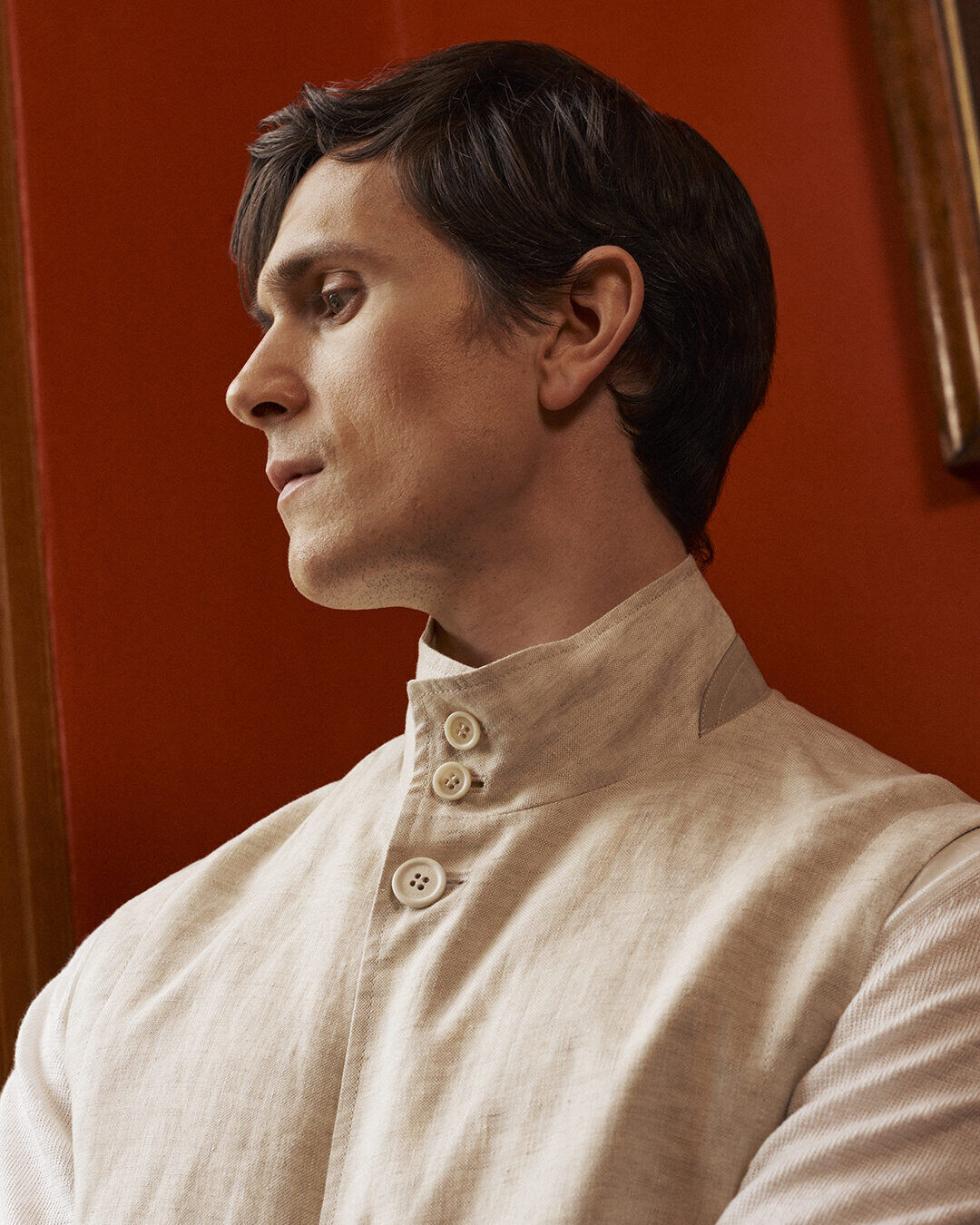
If it’s a ‘story ballet’, I will learn the movement and choreography first, and then I will meticulously try to understand what each movement is saying with my coach. There’s an internal voice and an internal dialogue to each step that I perform. Even with non-narrative work, you’re always saying something. That’s one of the reasons I love dance: it’s emotional expression as well as physical expression.
Is There a Recent Role That Challenged You Artistically – and How Did You Find Your Way Into That Character?
Recently, I had the chance to depict the Italian poet Dante Alighieri in The Dante Project by Wayne McGregor. The more I read about him, the more I realised that what I was trying to do was portray these vast swathes of existence and humanity.
“I use a lot of visualisation in my work – the more vivid an image of the character I can create in my mind, the more I can really feel that within my body and translate that into the movement.”
So I formed a depiction of what Dante’s character was, but a huge part of that role was bringing my own experience and trying to find parallels with his life and my life. Trying to find yourself within the character is just as important as the nitty gritty details of their story because the more you know about a character, the more you can draw on that. I enjoy knowing that biography, even if I don’t use it directly in the performance.
You Have Achieved So Much in Your Career in Such a Short Time. Is There Anything You Would Like to Explore Further in the Future?
I would love to further investigate the collaborative side of what I do with other artists – not necessarily other dancers or choreographers, but creatives from other disciplines. I think there’s amazing scope to be explored within that collaborative experience.


Explore More Alfred Dunhill Profiles